Table of Contents
- Year-Round Greenhouse Gardening in Colorado
- Understanding Colorado's Gardening Zones
- Colorado's Temperature Challenges
- The High Altitude Factor
- Colorado's Shorter Growing Season Challenge
- How to Extend Your Growing Season in Colorado
- What to Grow in A Greenhouse in Colorado? Best Plants and Vegetables
- When to Start Growing in Your Colorado Greenhouse
- Tips for Greenhouse Success in Colorado
- Transform Your Colorado Growing Experience
- FAQs
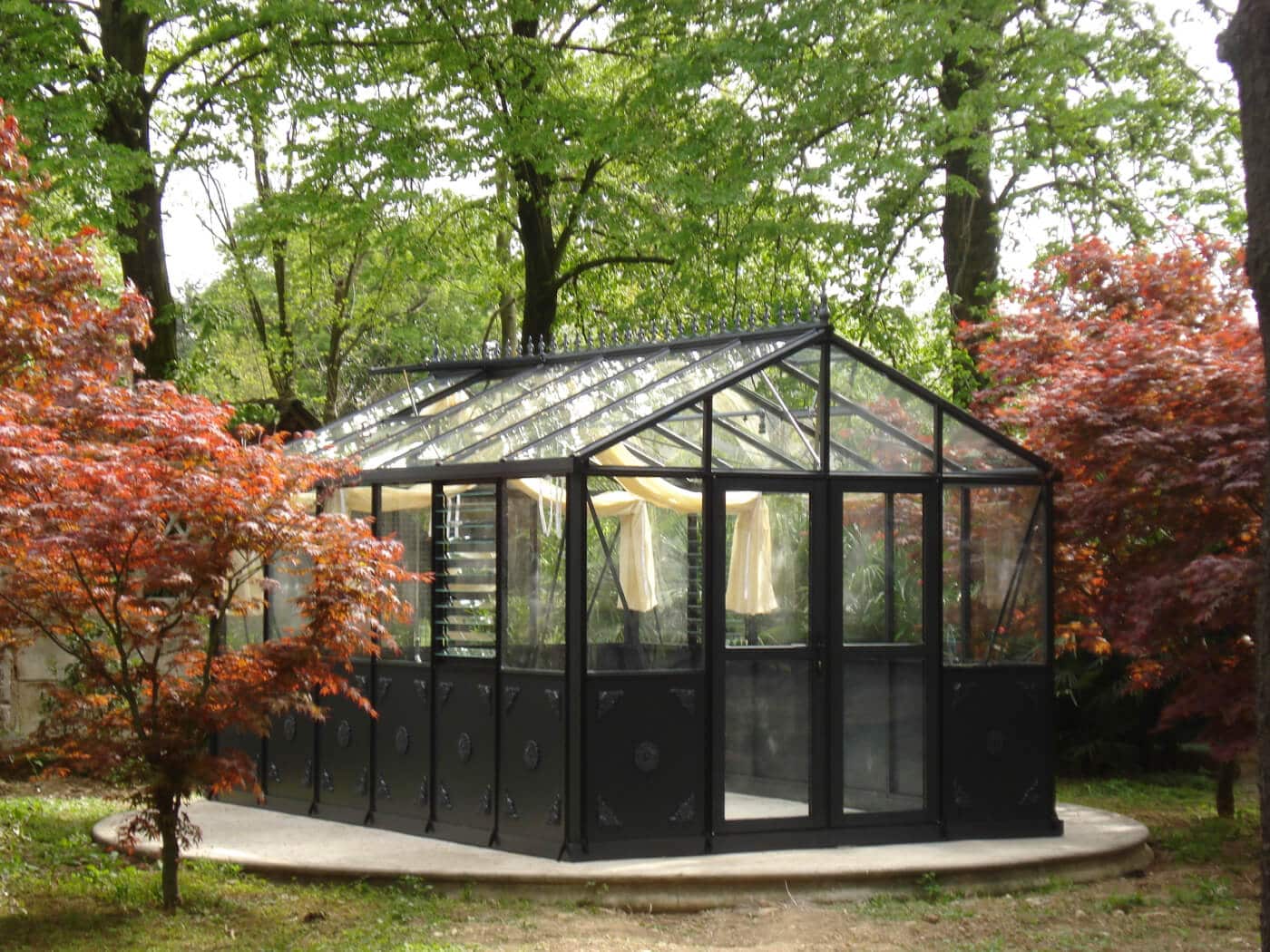
Year-Round Greenhouse Gardening in Colorado
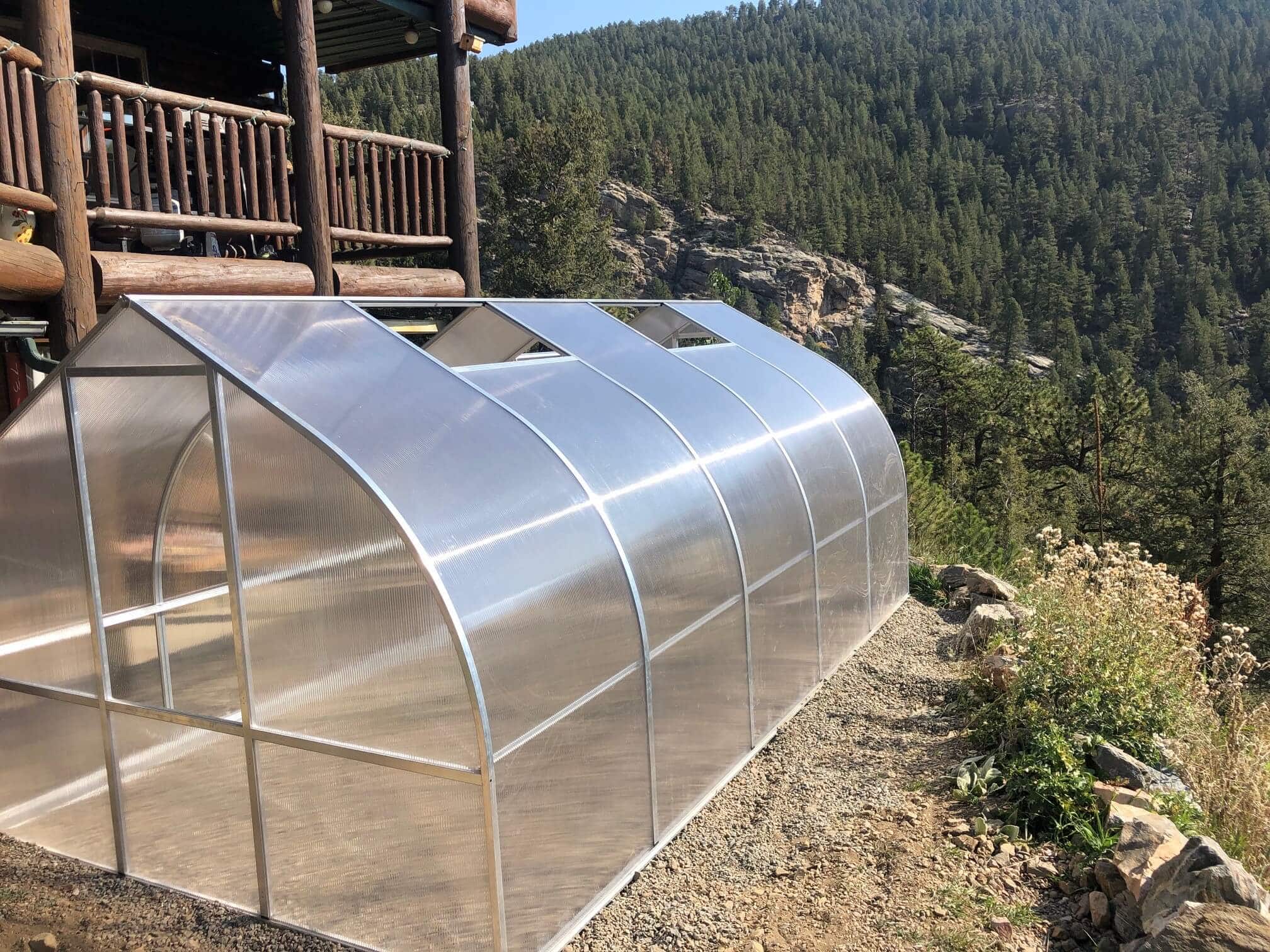
Colorado's dramatic landscape offers breathtaking beauty, but it also presents unique challenges for gardeners. Between unpredictable weather, high altitude conditions, and a notoriously short growing season, successfully growing vegetables outdoors can feel like a gamble. A greenhouse solves these problems by creating a protected environment where you can grow successfully despite Colorado's challenging conditions.
Whether you're in the mountains at 9,000 feet or along the Front Range in Denver, understanding Colorado's unique growing conditions is the first step to understanding what you can grow in a greenhouse. Let's explore what makes Colorado gardening so challenging and how a greenhouse can help you grow an abundance of fresh vegetables nearly year-round.
Understanding Colorado's Gardening Zones
Before you plant a single seed, you need to understand your USDA Plant Hardiness Zone. These zones are determined by average annual minimum winter temperatures and help you select plants that will survive in your area.
Colorado's Zone Range
Colorado spans multiple hardiness zones, ranging from Zone 3a in the coldest mountain areas to Zone 7a in the warmest southwestern corners of the state. This wide range means that gardening recommendations can vary significantly depending on where you live. Knowing your zone can help you know what to grow in a greenhouse.
Here's a general breakdown:
Zone 3 (Mountain Areas): Average minimum temperatures of -30°F to -40°F. These areas include high elevation locations like Leadville and parts of the Rockies.
Zone 4 (Higher Elevations): Average minimum temperatures of -20°F to -30°F. Much of Colorado's mountain communities fall into this zone.
Zone 5 (Front Range): Average minimum temperatures of -10°F to -20°F. Many Front Range areas, including parts of Fort Collins, Boulder, and the Denver metro, fall into Zone 5.
Zone 6 (Urban Corridors and Lower Elevations): Average minimum temperatures of 0°F to -10°F. Urban heat islands in Denver, Aurora, Colorado Springs, and parts of Boulder create warmer microclimates that bump these areas into Zone 6.
Zone 7 (Southwestern Colorado): Average minimum temperatures of 10°F to 0°F. The warmest parts of Colorado, including Grand Junction and southwestern corners, enjoy Zone 7 conditions.
Why Planting Zones Matter for Greenhouse Growing
While greenhouses create their own protected environment, understanding your zone still matters because:
- It helps you determine how much supplemental heat (if any) you'll need in winter
- It guides your decisions about which plants can overwinter in an unheated greenhouse
- It influences your planting calendar and growing season length
- It helps you select cold-hardy varieties that will thrive even on chilly nights
Important Note: Even within a single zone, microclimates can shift conditions dramatically. A south-facing slope might be a full zone warmer than a north-facing gulch just a few hundred feet away. Your specific property's elevation, sun exposure, and wind protection all play crucial roles.
Colorado's Temperature Challenges
Colorado's temperature patterns are notoriously unpredictable, creating a roller-coaster environment for plants. Understanding these temperature challenges will help you appreciate why a greenhouse is such a valuable investment.
Dramatic Daily Temperature Swings
One of Colorado's most defining characteristics is extreme temperature fluctuation within a single day. It's not uncommon to see a 30-40 degree difference between daytime highs and nighttime lows, even in summer. Denver might reach 85°F on a sunny June afternoon, then drop to 45°F that same night.
This rapid temperature change stresses plants that need consistent warmth to thrive. Tomatoes, peppers, cucumbers, and other warm-season crops struggle with these wild swings. A greenhouse helps moderate these extremes, maintaining more stable temperatures that keep plants happy and productive.
Sudden Late Spring and Early Fall Frosts
Colorado is infamous for surprise frost events. Even after your "last frost date" passes, a late May or early June snowstorm can strike without warning. On the other end of the season, September frosts can arrive earlier than expected, cutting short your harvest just when tomatoes are finally ripening.
These unpredictable frosts can devastate an outdoor garden in a single night. A greenhouse provides reliable frost protection, giving you weeks or even months of additional growing time on both ends of the season.
Hot Days, Cool Nights
Colorado's intense sunshine creates scorching daytime temperatures in summer, but the low humidity means heat radiates away quickly after sunset. While this makes for comfortable sleeping weather, many warm-season vegetables need warm nights (above 60°F) to set fruit properly. Peppers and tomatoes in particular benefit from the consistent warmth a greenhouse provides during cool mountain nights.
The High Altitude Factor
Colorado's elevation adds another layer of complexity to gardening. Most of the state sits above 5,000 feet, with many communities at 7,000 feet or higher. This altitude affects your garden in several significant ways:
Temperature Drops with Elevation
For every 1,000 feet of elevation gain, temperatures drop approximately 3.5°F. This means that a location at 9,000 feet can be 14 degrees colder than Denver (at 5,280 feet), even if they're only 50 miles apart.
This elevation effect significantly shortens the frost-free growing season. While Denver typically enjoys about 150-160 frost-free days, mountain communities at 8,000-9,000 feet might only see 60-90 frost-free days. Some high-elevation locations have fewer than 30 frost-free days per year!
Intense UV Radiation
The thin atmosphere at high altitude means less filtering of the sun's rays. While this intense sunlight promotes rapid photosynthesis and plant growth during the day, it can also cause sunscald on tender leaves and fruit, especially when combined with reflective snow in early spring.
Greenhouses help by diffusing this intense light slightly while still allowing plenty of sunlight through for optimal growth.
Low Humidity
Colorado is notoriously dry, with humidity often dropping below 20%. At higher elevations, humidity can be nearly nonexistent. This rapid moisture loss stresses plants and requires frequent watering.
A greenhouse naturally creates higher humidity through plant transpiration and soil evaporation. This self-generated humid environment helps plants thrive without the constant stress of extreme dryness.
Strong Winds
High-altitude areas often experience fierce winds that can shred leaves, break stems, snap young transplants, and accelerate soil moisture loss. Wind can be particularly brutal in exposed mountain locations or along the Front Range, where winds regularly exceed 50 mph.
A greenhouse provides essential wind protection, creating a calm growing environment even during Colorado's notorious windstorms.
Colorado's Shorter Growing Season Challenge
Perhaps the single biggest challenge Colorado gardeners face is the abbreviated growing season. While gardeners in milder climates enjoy 200-250 frost-free days, most Colorado locations have far less time.
Typical Growing Season by Region
Front Range Urban Areas (Zone 5-6): Approximately 120-160 frost-free days (mid-May to mid-October)
Lower Mountain Communities (Zone 4-5): Approximately 90-120 frost-free days (early June to mid-September)
High Mountain Areas (Zone 3-4): As few as 30-90 frost-free days (mid-June to early September, or even shorter)
Why Short Seasons in Colorado Matter
Many popular vegetables require long growing seasons to reach maturity:
- Tomatoes need 60-85 days from transplant to harvest
- Peppers need 60-90 days from transplant
- Winter squash needs 85-110 days
- Melons need 70-100 days
When you factor in that these warm-season crops can't go outside until soil temperatures reach 60°F and nighttime temperatures stay above 50°F, you might only have enough time for one harvest—or none at all if you plant too late.
A greenhouse solves this problem by extending your season on both ends, potentially doubling or even tripling your growing time.
How to Extend Your Growing Season in Colorado
A greenhouse dramatically extends Colorado's short growing season, but there are additional techniques you can use to maximize your growing time even further.
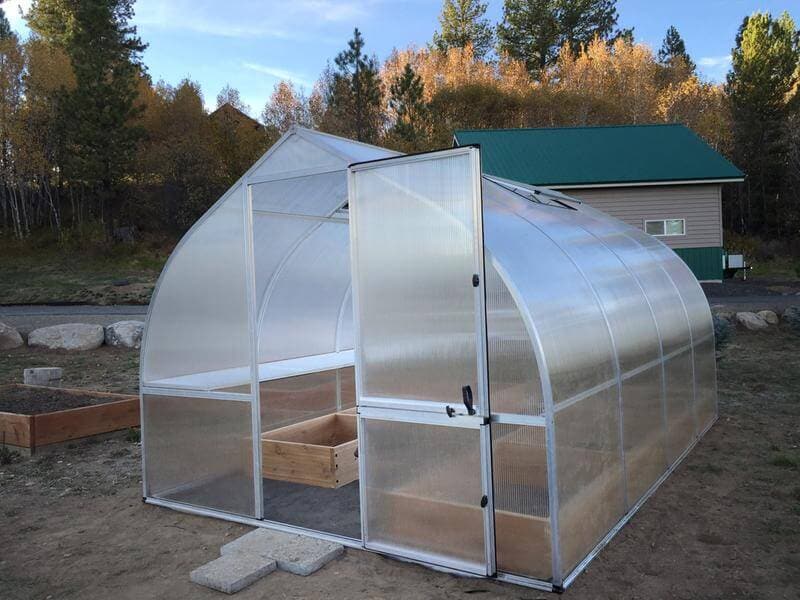
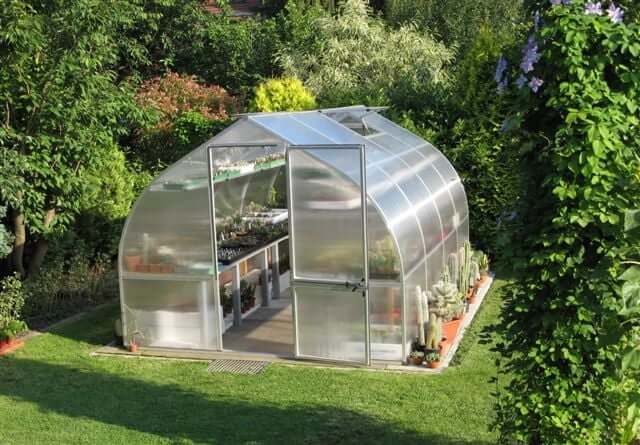
Large Polycarbonate Greenhouse | Exaco RIGA
$5,859.00
$6,899.00
RIGA Series Greenhouse Kit FREE SHIPPING (lower 48) All polycarbonate panels (8mm sides, 10mm gable ends) Complete aluminum frame with all extrusions and connectors Barn-style hinged door with key lock (30" W × 72" H) Roof ventilation window(s) with automatic… read more

Start Early with a Greenhouse
In an unheated greenhouse, you can typically start planting 4-6 weeks before your outdoor last frost date. In heated greenhouses, you can start even earlier or grow year-round.
For cold-hardy crops like lettuce, kale, spinach, and peas, you can begin planting in a greenhouse as early as February or March, even with snow on the ground outside.
Harden Off and Transition
Use your greenhouse as a hardening-off station for seedlings started indoors. This protected environment lets plants gradually acclimate to outdoor conditions without shock, resulting in stronger transplants.
Keep Growing Later into Fall
While outdoor gardens succumb to September or October frosts, greenhouse gardens can continue producing well into November, December, or even year-round. Many cold-hardy vegetables will survive winter in an unheated greenhouse, going dormant during the coldest months but resuming growth when daylight increases in late winter.
Wondering what a greenhouse will cost? Read our post on greenhouse cost in Colorado to get answers!
Use Season Extension Tools Inside Your Greenhouse
Layer your protection for maximum growing time:
- Row Covers: Floating row covers inside your greenhouse add several degrees of frost protection for the most cold-sensitive plants.
- Black Plastic Mulch: Covering soil with black plastic warms it faster in early spring and maintains warmth longer in fall.
- Water Jugs for Thermal Mass: Placing water-filled containers throughout your greenhouse absorbs heat during sunny days and releases it slowly at night, moderating temperature swings.
- Raised Beds: Soil in raised beds warms faster than ground-level soil, giving you earlier planting dates.
- Cold Frames Within the Greenhouse: For extremely cold nights, mini cold frames or cloches inside the greenhouse provide an extra layer of insulation for tender plants.
Choose Quick-Maturing Varieties
When shopping for seeds, look for varieties bred for short growing seasons. Seed packets often indicate "days to maturity" and may be labeled as:
- Cold-tolerant
- Short-season
- Fast-maturing
- Suitable for northern climates
These varieties are specifically bred to produce harvests quickly, making them ideal for Colorado's challenging conditions.
What to Grow in A Greenhouse in Colorado? Best Plants and Vegetables
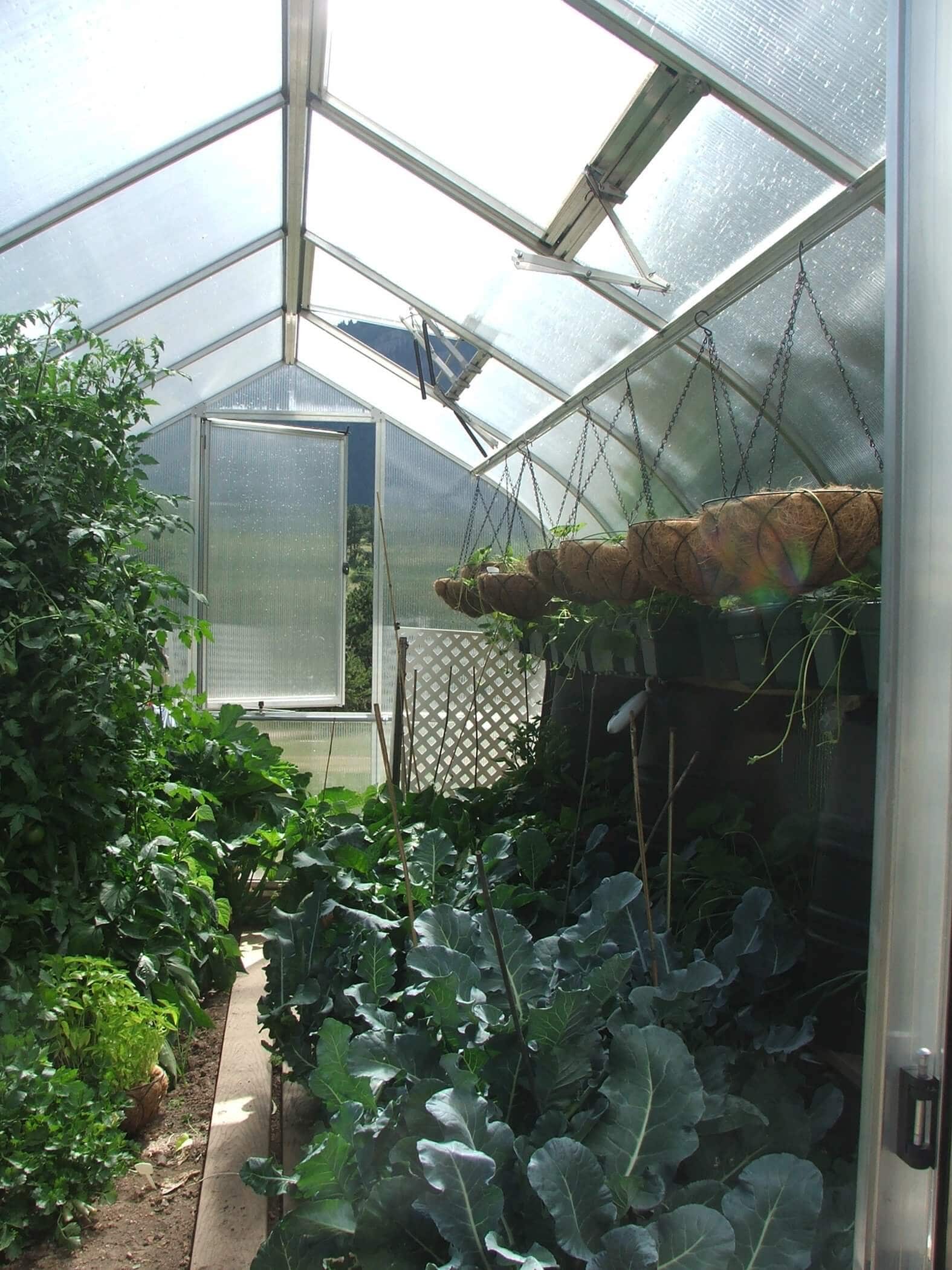
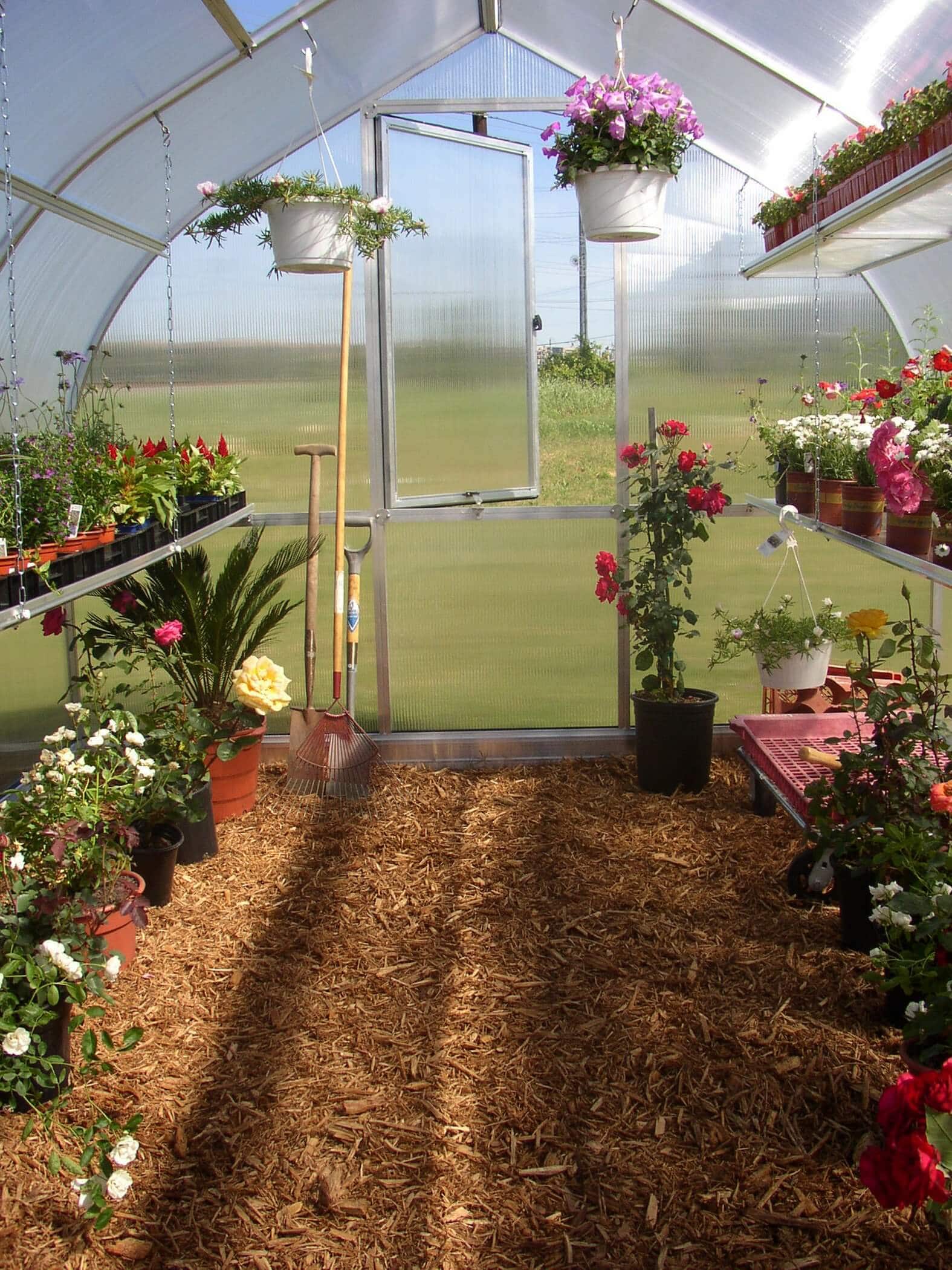
One of the greatest benefits of greenhouse growing in Colorado is that it opens up your vegetable options dramatically. Plants that struggle or fail outdoors can thrive inside your greenhouse. Here is a list of what to grow in a greenhouse in Colorado:
Cold-Hardy Vegetables (Excellent for Year-Round Greenhouse Growing)
These vegetables tolerate cold temperatures and can even survive light frosts, making them perfect for unheated greenhouse growing throughout fall, winter, and early spring:
Leafy Greens:
- Lettuce (all varieties)
- Spinach
- Arugula
- Kale
- Swiss chard
- Collard greens
- Mustard greens
- Asian greens (bok choy, mizuna, tatsoi)
Brassicas:
- Broccoli
- Cauliflower
- Brussels sprouts
- Cabbage
- Kohlrabi
Root Vegetables:
- Radishes
- Beets
- Carrots
- Turnips
- Parsnips
Alliums:
- Green onions
- Leeks
- Garlic (for spring harvest)
Herbs:
- Parsley
- Cilantro
- Dill
- Chives
Peas:
- Sugar snap peas
- Snow peas
- English peas
Warm-Season Vegetables (Thrive in Summer Greenhouse Conditions)
These vegetables need consistent warmth and are often difficult or impossible to grow successfully outdoors in much of Colorado. A greenhouse provides the warm, stable environment they crave:
Fruiting Vegetables:
- Tomatoes (all varieties)
- Peppers (bell peppers and hot peppers)
- Eggplant
- Cucumbers
- Summer squash
- Zucchini
Legumes:
- Green beans
- Pole beans
- Bush beans
Corn (in larger greenhouses)
Melons (in larger greenhouses with plenty of space):
- Cantaloupe
- Honeydew
- Watermelon (small varieties)
Herbs:
- Basil
- Oregano
- Thyme
- Rosemary
Special Considerations for High-Altitude Locations (Above 7,500 feet)
If you're gardening at very high elevations, focus on these especially hardy varieties:
- Cool-season crops are your best bet: lettuce, kale, spinach, peas, carrots, beets
- For warm-season crops, stick to greenhouses—outdoor growing is extremely challenging
- Choose the shortest-season varieties available (look for 50-60 day tomatoes, for example)
- Consider cherry tomatoes over large slicing varieties, as they mature faster
- Skip plants with very long growing requirements like winter squash and large melons
What Not to Grow in a Greenhouse
While greenhouses expand your options significantly, some plants remain challenging in Colorado:
- Sweet potatoes: Require extremely long, hot growing seasons
- Long-season winter squash: May not have enough time to fully mature
- Large pumpkins: Need too much space and time
- Tropical fruits: Require consistently warm conditions year-round
When to Start Growing in Your Colorado Greenhouse
Timing is everything in greenhouse gardening. Here's a month-by-month guide to help you plan your greenhouse planting schedule in Colorado (based on Front Range/Zone 5 conditions—adjust 2-4 weeks later for higher elevations):
| Month | What to Plant | What to Do | Growing Tips |
| January - February | Late February: Start tomato and pepper seeds indoors in flats (for transplant to greenhouse in April) Direct sow first round of cold-hardy greens (lettuce, spinach, arugula) once daylight reaches 10+ hours | • Order seeds and supplies • Clean and prepare greenhouse beds • Amend soil with compost • Start planning your growing calendar | Plan ahead and prepare your greenhouse for the upcoming season |
| March | Direct sow: lettuce, spinach, arugula, kale, chard, radishes, carrots, beets, peas Start seeds for: broccoli, cauliflower, cabbage (for transplanting in April) Transplant any seedlings started in February | Continue soil preparation and bed maintenance | Keep your greenhouse vented on sunny days—even in March, temperatures can soar above 80°F inside on bright days |
| April | Transplant: broccoli, cauliflower, cabbage seedlings Direct sow: second succession of lettuce, additional greens, peas Transplant tomato and pepper seedlings started in February into greenhouse beds Start cucumber seeds in pots | Monitor temperatures and adjust ventilation | Tomatoes and peppers can move to the greenhouse in mid-to-late April, as the greenhouse will protect them from late frosts |
| May | Transplant: cucumbers, squash seedlings Direct sow: beans, additional succession plantings of lettuce and greens Plant herbs: basil, cilantro, dill, parsley | • Establish regular watering schedule • Begin monitoring for pests | Monitor temperatures closely—May can bring surprising warm spells that overheat your greenhouse. Ensure proper ventilation |
| June - August | July: Start planting fall crops: direct sow kale, lettuce, spinach, and brassicas for fall harvest | • Harvest regularly to encourage continued production • Plant succession crops every 2-3 weeks: lettuce, radishes, beans, carrots • Water consistently—summer heat increases water needs • Watch for pests and address immediately | Peak production time—stay on top of harvesting and maintenance |
| September | Plant cool-season crops for fall and winter harvest Direct sow: lettuce, spinach, arugula, kale, chard, radishes, turnips Plant garlic cloves for spring harvest | • Remove spent summer plants to make room for fall crops • Begin reducing water as temperatures cool | Transition from summer to fall crops |
| October - November | Early October: Final succession of quick-maturing greens Asian greens for winter harvest | • Continue harvesting tomatoes, peppers, and cucumbers until frost • Harvest cold-hardy crops as needed | By November, plant growth slows significantly as daylight drops below 10 hours. Focus on maintaining existing plants rather than starting new ones |
| December - January | Focus on harvesting rather than planting | • Harvest from semi-dormant winter greens (they'll stop growing but remain alive) • Reduce watering significantly • Plan for spring season | In an unheated greenhouse, many cold-hardy greens will survive winter but enter semi-dormancy. They'll resume active growth in late February when daylight increases |
Tips for Greenhouse Success in Colorado
Ventilation is Critical
Colorado's intense sunshine can cause greenhouse temperatures to spike rapidly, even in winter. On a sunny February day with outside temperatures at 30°F, your greenhouse can easily reach 80-100°F inside. Install automatic vent openers that respond to temperature changes, ensuring your plants don't cook on unexpectedly warm days.
Manage Humidity
While greenhouses naturally create higher humidity than Colorado's bone-dry air, you still need to monitor moisture levels. Water plants in the morning so foliage dries before evening, reducing disease risk. On the other hand, don't let humidity drop too low—most vegetables prefer 50-70% humidity.
Plan for Snow Load
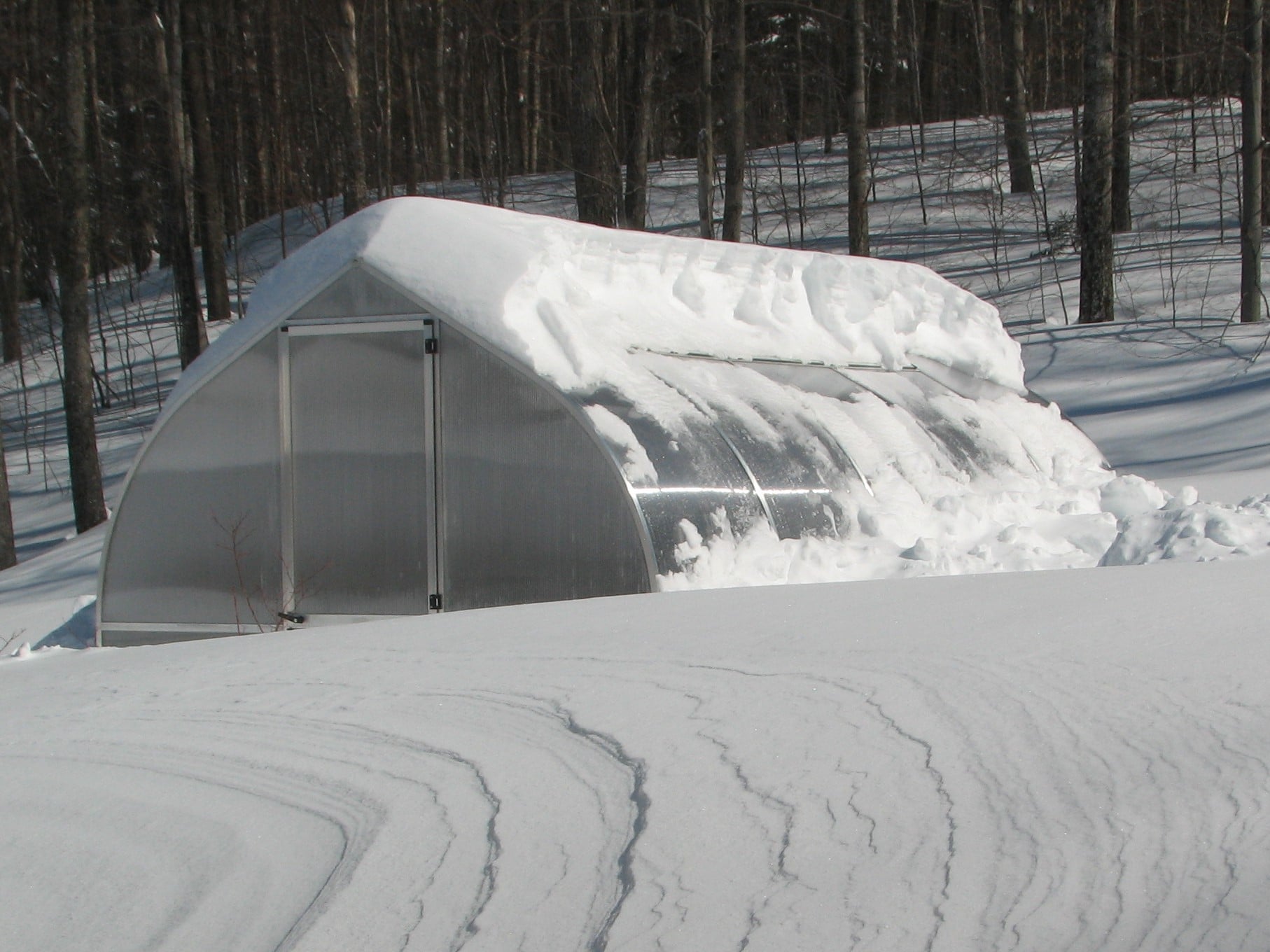
Colorado greenhouses must withstand heavy snow. Choose a greenhouse design rated for snow loads, and be prepared to brush snow off during heavy storms to prevent damage.
Use Soil Temperature as Your Guide
Soil temperature matters more than air temperature for planting. Use a soil thermometer to determine when to plant. Most seeds won't germinate in cold soil even if air temperatures are warm.
Water Wisely
Even in a greenhouse, Colorado's dry air means plants need consistent watering. Check soil moisture daily during peak growing season. Drip irrigation or soaker hoses work well for consistent moisture delivery.
Transform Your Colorado Growing Experience
By understanding your gardening zone, working with Colorado's unique temperature patterns, respecting the challenges of high altitude, and following a strategic planting calendar, you'll discover that the answer to "What can I grow in a greenhouse in Colorado?" is: almost anything you want!
Start your greenhouse journey with one of our premium greenhouse kits.
FAQs
What is the best time to start planting in a greenhouse in Colorado?
In an unheated greenhouse, you can begin planting cold-hardy crops like lettuce, spinach, kale, and peas as early as late February or March, about 4-6 weeks before your outdoor last frost date. For warm-season crops like tomatoes and peppers, transplant seedlings into the greenhouse in mid-to-late April. The key is matching your planting schedule to daylight hours. Once you have 10+ hours of daylight, plants will grow actively.
How much does a greenhouse extend the growing season in Colorado?
A greenhouse can extend your Colorado growing season significantly. While outdoor gardens typically have 120-160 frost-free days along the Front Range (and as few as 30-90 days in the mountains), a greenhouse can extend your season to 7-9 months or even allow year-round growing. You gain 4-6 weeks in early spring and can continue harvesting well into November or December, potentially doubling or tripling your productive growing time.
What vegetables grow best in an unheated greenhouse during Colorado winters?
Cold-hardy vegetables thrive in unheated greenhouses through Colorado winters. The best options include leafy greens (lettuce, spinach, arugula, kale, chard), Asian greens (bok choy, mizuna), root vegetables (radishes, carrots, beets, turnips), and herbs (parsley, cilantro). These plants may enter semi-dormancy during the darkest, coldest months but will survive and resume active growth when daylight increases in late winter.
What gardening zone is Colorado, and why does it matter for greenhouse growing?
Colorado spans USDA hardiness zones 3a through 7a, depending on elevation and location. Mountain areas are typically zones 3-4, the Front Range is zones 5-6, and southwestern Colorado reaches zone 7. While greenhouses create their own protected environment, knowing your zone helps you determine how much supplemental heat you might need in winter, which plants can overwinter successfully, and how to adjust your planting calendar for your specific location.
Can I grow tomatoes in a Colorado greenhouse?
Yes! Tomatoes are one of the best vegetables to grow in a Colorado greenhouse. While they often struggle outdoors due to cool nights and short growing seasons, greenhouses provide the consistent warmth tomatoes need to thrive. Start tomato seeds indoors in late February, transplant them to your greenhouse in mid-April, and you can harvest ripe tomatoes from July through October or even later.