Table of Contents
Build Your Own Home Garden Center in Denver, Colorado
I still remember the first time I visited a friend's backyard greenhouse on a gray February morning. While the rest of Denver sat under a blanket of snow, she was inside her own home garden center, as I liked to call it, surrounded by thriving tomato seedlings and fragrant herbs, her hands deep in warm soil. That moment changed everything for me. I realized you don't need to wait for spring or rely on crowded garden centers to feed your gardening passion.
If you've ever felt that pull, the desire to garden on your own schedule, grow exactly what you want, and create a space that's truly yours, a home garden center might be exactly what you've been looking for.
Why Denver Gardeners Need Their Own Space
Let's be honest: gardening in Denver comes with challenges. Our growing season runs roughly 150-157 days, typically from early May through early October, with the last spring frost around May 5th. That's not a lot of time, especially when you're dreaming of heirloom tomatoes and exotic peppers that need every warm day they can get.
Commercial nurseries are wonderful, but they can't solve every problem. By mid-May, the good stuff is often picked over. Prices climb during peak season. And let's not even talk about trying to find that one specific variety you saw on Instagram.
A backyard garden center changes all of this. It gives you:
- Control over your timeline – Why wait until Mother's Day weekend when you could start seeds in March and have robust transplants ready to go?
- Serious cost savings – Taking cuttings and propagating plants yourself means you can turn one $5 plant into dozens for free. When you consider that many gardeners spend hundreds of dollars on annuals each spring, those savings add up fast.
- Protection from our unpredictable weather – Denver's weather can be notoriously fickle, with snow possible even in June. A greenhouse or potting shed gives your tender plants a fighting chance.
- Room to experiment – Ever wanted to try growing ginger or propagating that gorgeous houseplant your neighbor has? Your own space makes it possible.
But beyond the practical benefits, there's something deeper here. Research published in the Journal of Environmental Horticulture has shown that gardening activities provide significant psychological benefits, including reduced anxiety and stress, decreased depression, enhanced memory retention, and improved overall life satisfaction. A home garden center becomes more than a workspace, it becomes a retreat.
What Makes a Great Home Garden Center?
Here's the good news: you don't need a massive setup to make this work. Even an 8x10 structure can handle a surprising amount of activity. I've seen gardeners work magic in spaces smaller than a typical bedroom.
The Foundation: Choosing Your Structure
Your first big decision is the type of structure. Think about how you want to use the space:
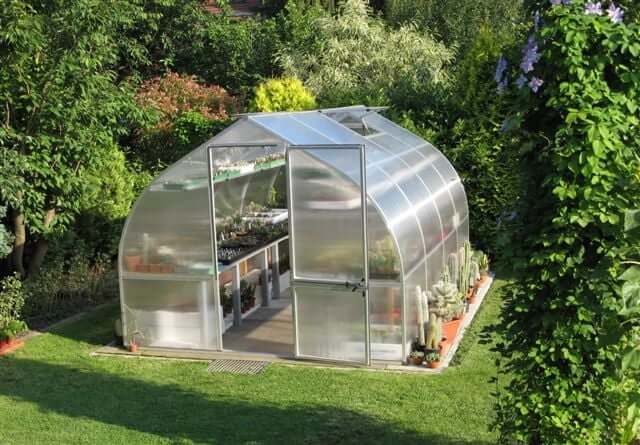
Greenhouse: If you're serious about extending your growing season, nothing beats a greenhouse. The transparent walls capture Denver's abundant sunshine (we average over 300 sunny days a year), creating a warm microclimate even when it's freezing outside. Perfect for starting seeds weeks ahead of schedule or keeping tender perennials alive through winter.
Potting Shed: Maybe you're more interested in organization and year-round comfort. A potting shed gives you a weather-protected workspace where you can work even during spring snowstorms. Add insulation and electricity, and you've got a space you'll actually want to spend time in on chilly mornings.
The Best of Both: My personal favorite is a combination structure, part greenhouse for plants, part shed for workspace and storage. It's like having a professional nursery setup in your own backyard.
Setting Up Your Work Area
A good workbench makes all the difference. Aim for about 36 inches high, tall enough that you're not hunching over, but low enough to work comfortably. I like benches with a slight rim around the edge to contain soil spills (trust me, this saves a lot of cleanup time).
Store your supplies within arm's reach. Keep potting soil, perlite, and compost in bins under the bench. If you can add a small sink or outdoor faucet nearby, even better. There's nothing worse than making ten trips to the house just to water seedlings. A high performance composter like the Aerobin by your greenhouse makes producing your own nutrient-rich compost effortless.
Maximizing Vertical Space
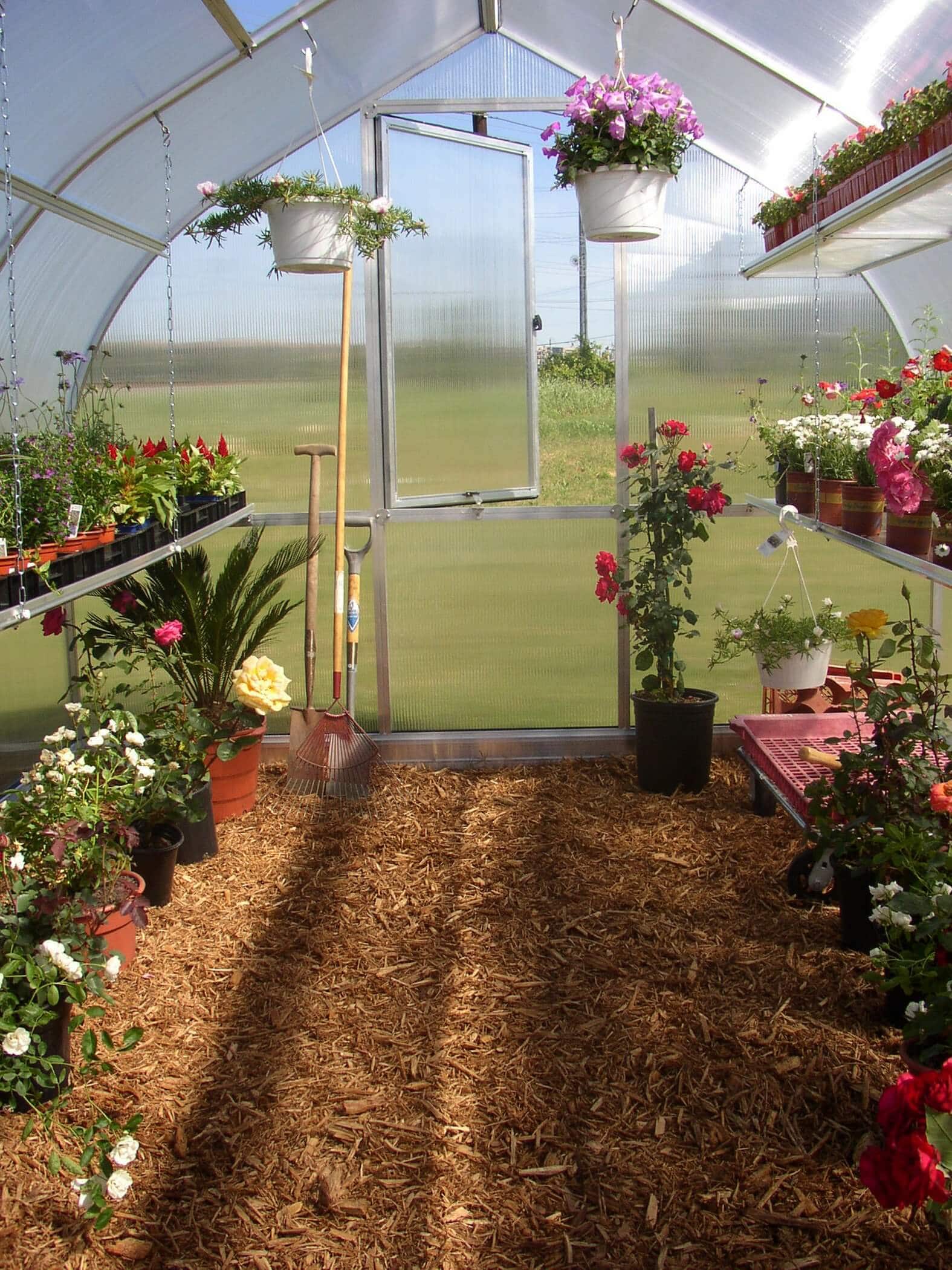
In a small garden center, vertical space is your best friend. Wire shelving works beautifully because it allows water to drain and air to circulate. Install LED grow lights under shelves for seedlings that need extra light during Denver's shorter winter days.
Stack trays of cuttings, house propagation projects, or overwinter tender plants you can't bear to part with. With smart shelving, even a compact 8x10 space can hold hundreds of plants.
Small Polycarbonate Greenhouse | Exaco RIGA s
$5,099.00
$5,999.00
RIGA S Series Greenhouse FREE SHIPPING (lower 48) Complete kit contains: All polycarbonate panels (8mm sides, 10mm gable ends) Complete aluminum frame with all extrusions and connectors Barn-style hinged door with key lock (30" W × 72" H) Roof ventilation… read more

Climate Control for Denver's Extremes
Denver sits in USDA Zone 6a, characterized as a semi-arid high plain. Our climate brings intense sun, dry air, and dramatic temperature swings—sometimes 40 degrees in a single day.
Your climate control strategy needs to account for all of this:
- Ventilation – On sunny days, even a February greenhouse can overheat. Install roof vents or automatic openers that don't require you to rush home mid-afternoon.
- Heating – For year-round use, add a small electric heater or extend your home's heating system. It doesn't take much to keep the space above freezing.
- Humidity – Denver's notorious dryness can stress plants. Misting systems, humidity trays filled with pebbles and water, or simply grouping plants together can help.
- Shade – In high summer, our intense UV radiation can scorch delicate seedlings. Removable shade cloth protects plants during the hottest months.
Organization: The Secret Ingredient
I can't emphasize this enough: organization makes or breaks a garden center. When everything has a place, gardening shifts from frustrating to enjoyable.
Install pegboards for tools. Use clear, labeled containers for seeds (I sort mine by planting date). Dedicate a shelf to reference books, garden journals, and those seed catalogs you can't throw away. Create a potting station where everything you need for transplanting lives in one spot.
The goal is simple: when inspiration strikes at 7 AM on a Saturday, you can walk in and start working immediately, without hunting for supplies.
Planning Your Space: Location Matters
Before you commit to a structure, spend time observing your yard. The perfect spot gets at least six to eight hours of sunlight daily, ideally with a south or southeast exposure to capture winter sun when it's most valuable.
Make sure the ground is level (or can be leveled easily) with good drainage, standing water is the enemy of any structure. Consider access to utilities: running electricity and water to a distant corner of your property gets expensive fast.
Think practically about the distance from your house, too. If the garden center requires a two-minute walk through deep snow, you'll use it less in winter. Close enough to be convenient, but far enough to feel like a separate retreat, that's the sweet spot.
Aerobin Outdoor Compost Bin
$459.00
Aerobin Outdoor Compost Bin Turn Waste Into Gold—No Turning Required Sold by South Table Sheds Effortless Composting for the Modern Gardener Say goodbye to backbreaking turning and foul odors. The Aerobin Outdoor Compost Bin is the first composter designed for… read more

What You'll Use It For (Trust Me, It's Year-Round)
One of my favorite aspects of a home garden center is how its purpose shifts with the seasons:
Spring (March-May): This is go-time. Start seeds for your vegetable garden, propagate annuals from cuttings, and germinate flowers. Local experts recommend starting warm-season crops indoors around late February to early March, then transplanting after Mother's Day to avoid frost damage.
Summer (June-August): Take cuttings from your garden favorites—coleus, geraniums, herbs. Repot container plants that have outgrown their homes. Start cool-season crops like lettuce and spinach in late summer under the shade of warm-season plants for a fall harvest.
Fall (September-November): Bring tender plants inside before the first freeze. Harvest late-season vegetables. Organize tools and clean pots while you reflect on what worked this year and plan for next season.
Winter (December-February): People are often surprised by how productive winter can be. Grow salad greens, herbs, and even some vegetables indoors under lights. Care for overwintering plants. Flip through seed catalogs and sketch out next year's garden layout in the warmth of your shed while snow falls outside.
Research from Texas A&M has shown that regular interaction with plants and gardening activities, especially during challenging times, offers people a more positive outlook on life and enhances feelings of vitality and energy. Your winter garden center becomes more than productive—it becomes essential for your wellbeing.
The Mental Health Garden
Here's something that doesn't get talked about enough: a home garden center can profoundly affect your mental health.
Studies have shown that moving to an area with more green space results in measurable improvements in mental health that continue for at least three years. But you don't have to move, you can create that green space in your own backyard.
Morning watering routines become meditation. Weekend potting sessions provide the kind of productive, hands-on work that grounds you in the present moment. Working in a garden combines physical activity with social interaction and exposure to nature and sunlight, which lowers blood pressure and increases vitamin D levels.
There's something deeply satisfying about nurturing life, watching seeds germinate, seeing cuttings develop roots. It reminds you that growth takes time, that care matters, and that patience pays off. A comprehensive review of multiple studies found that gardening and horticultural therapy positively impact well-being, mental health, and quality of life across diverse populations.
Building vs. Buying: What Makes Sense for You?
I get asked this question constantly. Should you DIY or buy a pre-built structure?
The DIY Route:
- Complete customization—build exactly what you envision
- Lower cost if you're handy with tools
- Deep satisfaction from creating something yourself
- But: requires time, skills, and tools you might not have
The Pre-Built Option:
- Ready to use in days, not months
- Professional construction means better weatherproofing
- Warranties on materials and workmanship
- Custom options designed specifically for Colorado's climate
- But: higher upfront cost than pure DIY
At South Table Sheds, we've found that most Denver gardeners appreciate the middle ground: pre-built structures they can customize. You get professional quality without the months of construction time, plus the peace of mind that comes with warranties.
Making It Happen
Building a home garden center is one of the best investments you can make in your property and your passion. Whether you're just starting out or you've been gardening for decades, having dedicated space transforms everything.
You'll save money over time. Instead of buying 15 coleus plants at $5 each ($75), you buy one, take cuttings, and create 15 plants for the cost of rooting hormone and potting mix. Those savings compound year after year.
You'll extend your growing season. You'll protect your plants. You'll have a organized, comfortable space to pursue your hobby. And maybe most importantly, you'll have a retreat—a place that's entirely yours, where the only thing that matters is the soil in your hands and the plants under your care.
Ready to Get Started?
At South Table Sheds, we specialize in creating garden centers by assembling greenhouse kits for Denver's unique climate:
- Spacious greenhouse combinations for serious gardeners
- DIY greenhouse kits with professional assembly options
- Expert advice on what works in Colorado
Your perfect home garden center is within reach. Contact South Table Sheds today to request a free estimate and start creating a backyard space designed for year-round growing and gardening enjoyment.
Because every Denver gardener deserves a space where spring starts early, winter doesn't have to end the season, and the best gardens begin.
FAQs
Can I use a greenhouse year-round in Denver's climate?
Absolutely! Denver's 300+ days of sunshine make it ideal for year-round greenhouse growing. You'll need supplemental heat for winter nights when temperatures drop below freezing, but even a small electric heater can maintain the 35-40°F minimum needed for cold-hardy crops and overwintering plants. Proper ventilation is crucial for hot summer days when temperatures can soar. Many Denver gardeners successfully grow lettuce, spinach, kale, and herbs throughout winter, and use their greenhouses for seed starting as early as February.
Do I need a permit to build a garden center structure in Denver?
Permit requirements vary by municipality and structure size. In Denver, structures under 200 square feet typically don't require a building permit, but you should always check with your local building department. Some HOAs have additional restrictions on shed and greenhouse placement, color, or style. Ensure you meet setback requirements (distance from property lines), and consider utility line locations before building. Working with a local shed builder familiar with Denver regulations can help you navigate the permit process smoothly.
What size greenhouse or shed do I need for a home garden center?
For most home gardeners, an 8x10 or 10x12 structure provides ample space for seed starting, potting, and storage. If you plan to grow plants year-round or need extensive overwintering space, consider 10x16 or larger. Think about your primary activities: seed starting requires less space than maintaining a full vegetable garden center. A good rule of thumb is to sketch your layout with a potting bench (typically 6 feet long), shelving, and movement space to ensure you'll have room to work comfortably.