Table of Contents
- How Do Greenhouses Work?
- Greenhouse Winter Temperature: What to Actually Expect
- Winter Greenhouse Growing in Colorado: Unique Challenges and Advantages
- Do You Need a Greenhouse Heater in Colorado?
- Best Greenhouses for Winter: The Quality Factor
- Passive Solar Greenhouse Heating: Does It Work in Colorado?
- Common Greenhouse Heating Mistakes to Avoid
- The Bottom Line on Winter Greenhouse Temperatures
- Ready to Explore Your Greenhouse Options?
- Professional Greenhouse Assembly in Denver
- Get Started Today
- FAQs
The Honest Answer for Colorado Gardeners
Let me guess: you're picturing yourself harvesting fresh tomatoes in January while your neighbors are still scraping ice off their windshields. Maybe you've imagined a warm, tropical escape right in your backyard while snow blankets the Front Range.
I get it. It's a beautiful dream.
But before you invest in a greenhouse thinking it'll be a self-sustaining tropical paradise, let's have an honest conversation about what greenhouses actually do in winter, especially here in Colorado, where Mother Nature likes to keep us on our toes.
 The Short Answer: It's Complicated
Here's the truth that greenhouse sellers sometimes gloss over: a greenhouse is not a heated room. It's more like a really good blanket, it provides modest protection, but it's not generating heat on its own.
How Do Greenhouses Work?
During the day, greenhouses work beautifully. Sunlight passes through the glazing (glass or polycarbonate panels), warms everything inside, and that heat gets trapped. On a sunny Colorado winter day when it's 40°F outside, the inside of your greenhouse can easily reach 60-70°F. Pretty nice, right?
What Happens When the Sun Goes Down
Here's where it gets real: when there's no sun, the greenhouse temperature will eventually match the outside temperature. That's the part that surprises a lot of first-time greenhouse owners.
Greenhouse Winter Temperature: What to Actually Expect
Let me give you some real figures to work with:
Daytime Greenhouse Performance
Your greenhouse can be 20-30°F warmer than outside on sunny days. So if it's 35°F outside, you might see 55-65°F inside. That's enough to make you want to pull up a chair and stay awhile.
Nighttime Temperature Reality
An average unheated greenhouse maintains only about 2-8°F above outdoor temps at night. So when it drops to 20°F outside, you might have 22-28°F inside, still below freezing.
Why Even a Small Buffer Matters
The good news? Even that small temperature buffer makes a difference. You're also protecting plants from wind, frost, and moisture, all things that can be more damaging than the cold alone.
Winter Greenhouse Growing in Colorado: Unique Challenges and Advantages
Here's where being a Colorado gardener actually works in your favor.
Our 300 Days of Sunshine
We get about 300 days of sunshine a year. That's huge for greenhouse growing. While our friends in the Pacific Northwest are dealing with weeks of gray skies (and greenhouses that never warm up), we're collecting solar heat almost daily—even in December and January.
The Altitude and Temperature Swing Factor
But our altitude creates some unique challenges:
- Temperature swings: It can be 65°F at 2pm and 15°F by midnight. That rapid change stresses plants more than consistent cold.
- Altitude effect: For every 1,000 feet above sea level, temperature drops about 3.5°F. Here in the Denver area (5,280 feet), that matters.
- Wind: Those northerly and westerly winds that frequent the Front Range can steal heat faster than you can say "polar vortex."
- Low humidity: Our dry air means less thermal mass in the atmosphere, which contributes to those dramatic temperature swings.
Do You Need a Greenhouse Heater in Colorado?
The honest answer: it depends entirely on what you want to grow.
Growing in an Unheated Greenhouse
You can absolutely grow cold-hardy vegetables all winter in an unheated greenhouse. We're talking spinach, kale, lettuce, carrots, chard, broccoli, Brussels sprouts, and herbs like parsley and cilantro. Winter temperatures actually make some root vegetables sweeter by stimulating sugar production. (Seriously—the best carrots you'll ever taste come from a winter greenhouse.)
You can also overwinter established perennials, protect citrus and fig trees from the worst of winter, and get a massive head start on spring seedlings.
When You Need Supplemental Greenhouse Heat
If you want tomatoes year-round, tropical plants, or to grow warm-weather crops in January, you'll need to add heat. For most hobby greenhouses, a small electric fan heater with a thermostat (around $75-300) is the safest and most practical option.
Exaco Dayton Big Red Heater
$199.00
Exaco Dayton Big Red Heater Sold by South Table Sheds Keep your greenhouse warm, safe, and energy-efficient with the Exaco Dayton Big Red Heater, a powerhouse heating solution designed for dependable performance in all greenhouse environments. Built for strength and… read more

Minimum Temperature for Greenhouse Plants
Pro tip: You don't need to keep it toasty. Maintaining just 37-45°F is enough to keep most plants frost-free and happy. That's significantly cheaper than trying to maintain 70°F.
Here's a quick reference for ideal greenhouse temperatures by crop type:
Crop Type | Minimum Temp | Ideal Range |
Cold-Hardy Greens (spinach, kale, lettuce, chard) | 28-32°F | 40-60°F |
Root Vegetables (carrots, beets, radishes) | 32-35°F | 45-65°F |
Brassicas (broccoli, cabbage, Brussels sprouts) | 26-32°F | 45-75°F |
Hardy Herbs (parsley, cilantro, chives) | 32-37°F | 50-70°F |
Citrus & Figs (overwintering) | 35-40°F | 55-70°F |
Warm-Season Crops (tomatoes, peppers, cucumbers) | 50-55°F | 65-85°F |
Tropical Plants (orchids, hibiscus) | 55-60°F | 70-80°F |
Best Greenhouses for Winter: The Quality Factor
Here's something that doesn't get talked about enough: not all greenhouses are created equal when it comes to winter performance.
Why Cheap Greenhouse Kits Fall Short
That cheap kit greenhouse from the big box store? It might be fine for season extension, but it wasn't engineered for serious winter growing. The glazing is thin, the seals are minimal, and you'll be fighting heat loss all winter long.
RIGA Greenhouses: Built for Cold Climates
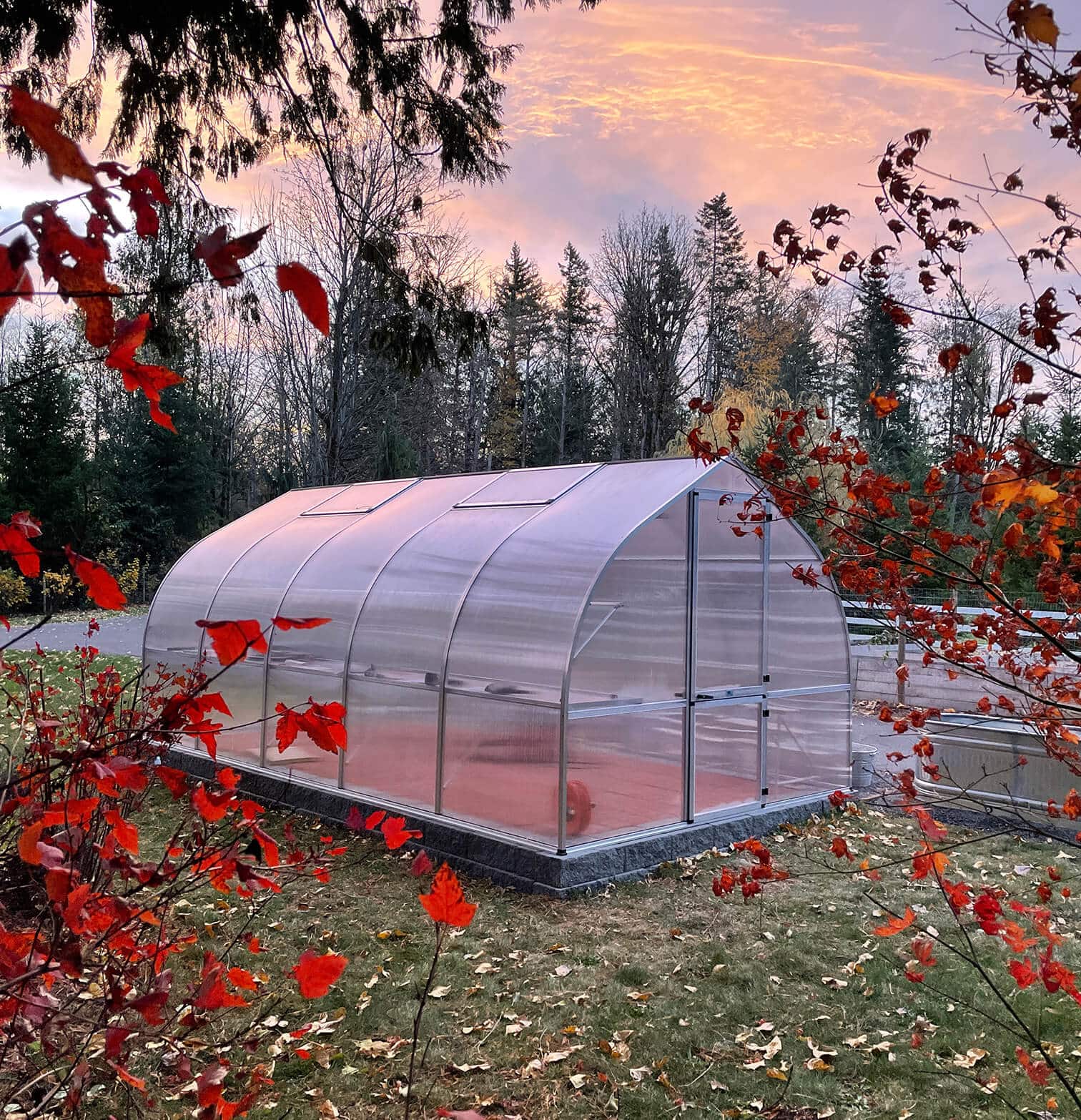
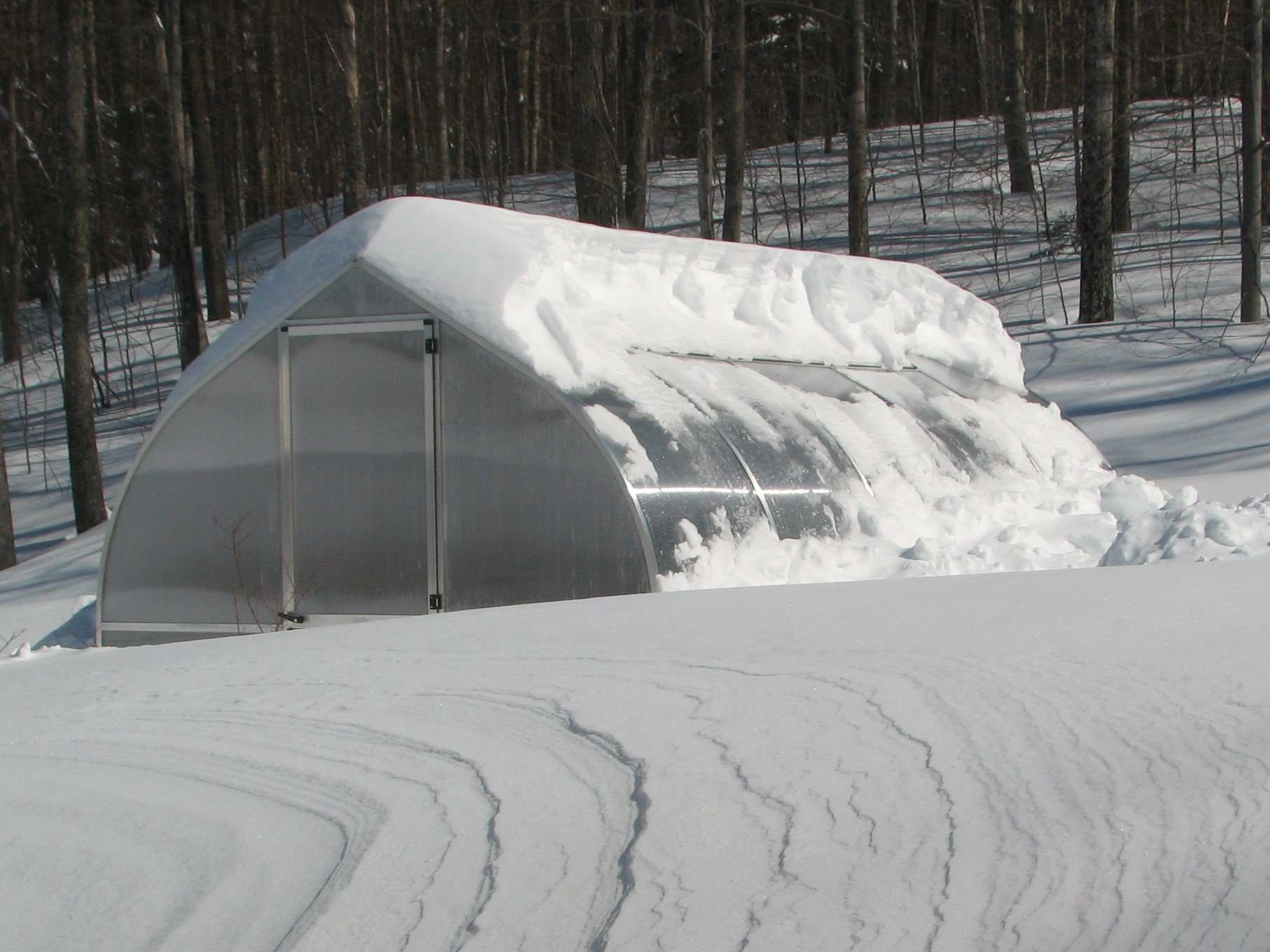
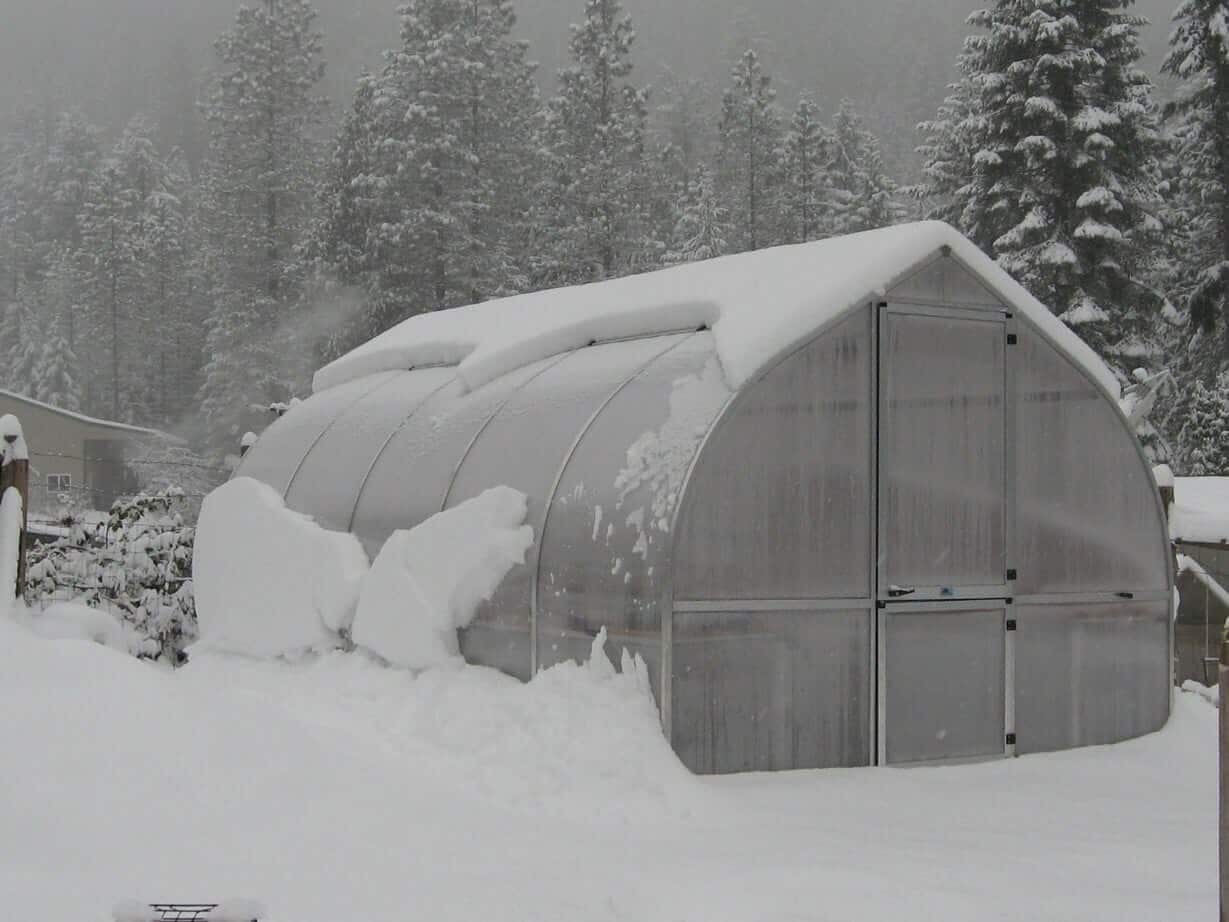
RIGA greenhouses feature 8mm twin-wall polycarbonate on the walls (10mm on the ends), achieving an R-value of 2.0—that's better insulation than many home windows. The German-engineered "onion" shape sheds snow naturally, and the thicker panels mean significantly less heat loss. The larger RIGA XL models use 16mm triple-wall panels for even better insulation.
Janssens Greenhouses: European Quality Glass
Janssens greenhouses use 4mm tempered safety glass (thicker than most competitors) with heavy-duty rubber gaskets that create weather-tight seals. You can also opt for 10mm polycarbonate panels for better insulation. The double layer insulates better than glass and keeps temperatures more stable—ideal if you plan to heat in winter.
Alton Greenhouses: Century-Proven Cedar Craftsmanship
Alton has been crafting premium greenhouses since 1921, over a century of British greenhouse expertise. What sets them apart is their use of 100% Western Red Cedar, a material that naturally insulates far better than aluminum frames.
In fact, scientific testing showed that Alton's cedar greenhouses maintain temperatures 6-7°F warmer than comparable aluminum models on cold mornings. That's not marketing fluff, that's real-world performance that translates to lower heating bills and happier plants.
The thick glazing timber bars provide exceptional structural strength, while the aluminum bar capping system creates weather-tight seals around the 3mm toughened safety glass. The steep roof pitch sheds snow naturally, essential for Colorado winters. Plus, cedar is naturally rot-resistant and insect-repellent, meaning your investment lasts for decades with minimal maintenance.
How Insulation Affects Heating Costs
The difference in heating costs between a quality greenhouse and a budget model can be significant. Better insulation means less heat loss, which means your heater runs less, which means lower bills and happier plants.
Passive Solar Greenhouse Heating: Does It Work in Colorado?
You've probably read about using water barrels as "thermal mass" to store heat during the day and release it at night. It sounds perfect, right?
The Truth About Water Barrels for Greenhouse Heat
Here's the reality check: this works great in mild climates. In Colorado? It's hit or miss.
The problem is that water barrels only work if they get warm enough during the day to completely thaw out. In a stretch of cold, cloudy weather, here's what often happens: Day one, the barrel half-freezes. Day two, only a quarter melts. Day three, even less melts. Day four... your plants freeze.
Passive Heating Methods That Actually Work
That said, our sunny climate gives thermal mass a fighting chance. If you want to try it:
- Use 55-gallon drums painted black
- Position them where they'll get maximum sun exposure
- Combine with good insulation on the north wall
- Have a backup heat source for extended cloudy periods
Other passive strategies that work in Colorado: insulating the north wall with reflective material, using bubble wrap on glazing, positioning the greenhouse against a south-facing house wall, and creating windbreaks on the north and west sides.
Common Greenhouse Heating Mistakes to Avoid
After years of talking with greenhouse gardeners, here are the mistakes that trip people up most often:
Not Monitoring Greenhouse Temperature
A good min/max thermometer ($15-30) is essential. Temperature swings can damage or kill plants faster than consistent cold.
Overheating Your Greenhouse
You don't need to maintain tropical temperatures. Most plants are fine at 37-45°F. Every degree you raise the temperature costs money.
Forgetting Winter Ventilation
Yes, even in winter. On sunny days, your greenhouse can overheat. Without airflow, you get humidity buildup, mold, and stressed plants. Crack a vent on warm days.
Skipping Greenhouse Insulation
A layer of horticultural bubble wrap on the inside of your greenhouse can significantly reduce heat loss without blocking much light. It's cheap, effective, and easy to install.
Choosing the Wrong Plants for Winter
Tomatoes in January without serious heating? Not going to happen. Match your plant choices to your heating setup (or lack thereof).
The Bottom Line on Winter Greenhouse Temperatures
Do greenhouses stay warm in winter? The honest answer is: warmer than outside, but not warm enough for tropical gardening without help.
Extending Your Colorado Growing Season
But here's what I want you to take away: a greenhouse extends your growing season dramatically. Without one, Colorado's outdoor growing season is roughly three months. With a greenhouse—even an unheated one—you can stretch that to seven to nine months of productive growing.
Add a small heater, and you can garden year-round. That's not a pipe dream; that's just smart planning and realistic expectations.
Ready to Explore Your Greenhouse Options?
At South Table Sheds, we specialize in greenhouses built for Colorado's challenging climate. We carry premium brands like RIGA, Janssens, and Alton because they're engineered to perform in real winter conditions not just look pretty in a catalog.
Professional Greenhouse Assembly in Denver
We also offer professional assembly services throughout the Denver metro area. Because let's be honest: assembling a greenhouse in November isn't everyone's idea of a good time.
Get Started Today
Browse our greenhouse collection to see what's possible, or give us a call at 720-656-7313 to talk through what would work best for your space, your budget, and your growing goals.
Because every Colorado gardener deserves to know the truth about winter greenhouses—before they invest. And the truth is: with the right setup and realistic expectations, year-round growing is absolutely within reach.
FAQs
1. How much warmer is a greenhouse than outside in winter?
During sunny days, a greenhouse can be 20-30°F warmer than outside temperatures. However, at night, an unheated greenhouse only stays about 2-8°F warmer than outdoor temps. This means if it's 20°F outside overnight, your greenhouse might be 22-28°F inside, still below freezing.
2. Do I need a heater for my greenhouse in Colorado?
It depends on what you want to grow. Cold-hardy crops like spinach, kale, lettuce, and carrots can potentially thrive in an unheated greenhouse all winter. But if you want to grow tomatoes, peppers, or tropical plants year-round, you'll need a small electric heater with a thermostat to maintain temperatures above 50-55°F.
3. Does thermal mass like water barrels work for greenhouse heating in Colorado?
It can help, but it's not reliable as your only heat source. Water barrels work by absorbing heat during sunny days and releasing it at night. Colorado's 300 days of sunshine give thermal mass a fighting chance, but during extended cloudy or cold stretches, the barrels may freeze and leave your plants unprotected. Always have a backup heat source.
4. What's the best greenhouse for Colorado winters?
Look for greenhouses with thick insulation, quality seals, and designs that shed snow. RIGA greenhouses offer 8-16mm polycarbonate panels with an R-value of 2.0. Janssens features 4mm tempered glass with heavy-duty rubber gaskets. Alton uses Western Red Cedar frames that naturally insulate 6-7°F better than aluminum. All three are engineered for cold climates and available at South Table Sheds.