What is a cold frame and how does it work?
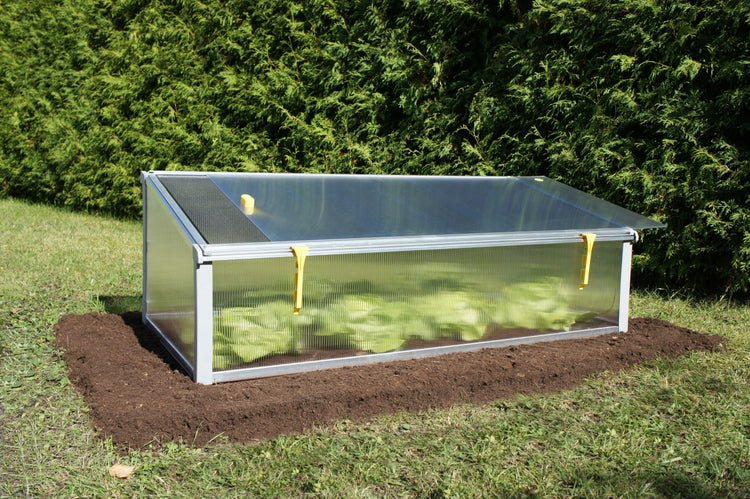
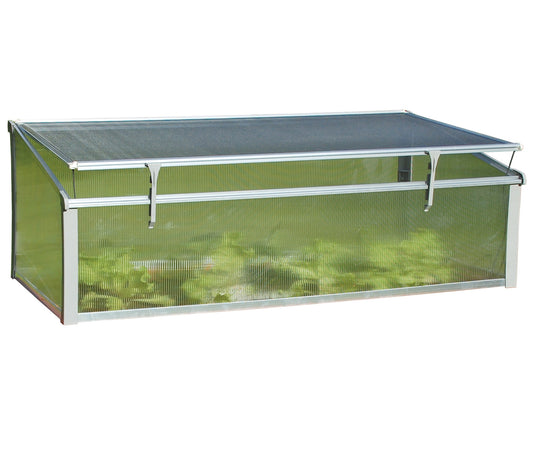
A polycarbonate cold frame is a four-sided garden structure with a transparent polycarbonate lid that acts as a miniature passive solar greenhouse. It traps sunlight to create a warmer microclimate inside, protecting plants from frost, wind, and sudden temperature swings without any external heat source.
Why choose a cold frame over a glass cold frame?
A polycarbonate cold frame offers the same light transmission as glass but is significantly lighter, safer, and more DIY-friendly. Twin-wall polycarbonate cold frames also provide superior heat retention compared to single-pane glass. Polycarbonate is more resistant to breakage and easier to cut and customize, making it the preferred choice for modern cold frames.
What is twin-wall polycarbonate and why does it matter for a cold frame?
Twin-wall polycarbonate has two layers with an air gap between them that acts as insulation. In a polycarbonate cold frame, this improves heat retention overnight and on cloudy days, keeping your plants warmer than a single-layer glass or plastic lid would.
Is a cold frame better than a greenhouse?
It depends on your goals and space. A polycarbonate cold frame is a great alternative to a greenhouse when space, budget, or installation complexity is a concern. Polycarbonate cold frames are portable, affordable, and easy to assemble and store. A full greenhouse offers more growing space, height for larger plants, and greater temperature controlbut, requires a larger footprint and investment. For most home gardeners growing vegetables, herbs, and flowers, a polycarbonate cold frame delivers excellent results at a fraction of the cost.
How does a polycarbonate cold frame extend my growing season?
In Colorado and other northern climates, a polycarbonate cold frame can jumpstart spring planting as early as February and keep your garden productive into October or November. In fall and winter, it shelters cold-hardy crops like lettuce, spinach, and kale from frost and freezing temperatures.
Can I use a polycarbonate cold frame year-round?
Yes. A polycarbonate cold frame works in every season. In spring and fall it protects cool-weather crops. In winter it can shelter cold-hardy vegetables or overwinter potted plants. In summer, with some shading, a polycarbonate cold frame is ideal for propagating plants from cuttings or starting seedlings. In warmer climates, many gardeners leave their polycarbonate cold frame up and growing all twelve months.
How long do plants need to stay in a cold frame?
It varies by plant and season. Seedlings typically stay in a polycarbonate cold frame for 2–6 weeks before being hardened off and transplanted outdoors. Cold-hardy vegetables like spinach and lettuce can live in a polycarbonate cold frame for an entire season. The cold frame is also useful for gradually acclimating greenhouse-started plants to outdoor conditions, a process called hardening off, which usually takes 1–2 weeks.
Where should I place my polycarbonate cold frame?
Choose a spot with full sun exposure, particularly in winter. A south or southeast-facing location works well for a polycarbonate cold frame. If possible, position it near a wall, fence, or evergreen shrub on the north side to buffer cold winds and add extra warmth. Good drainage is also important.
How do I keep my cold frame from overheating in summer?
Ventilation is key. Some polycarbonate cold frames, like the Exaco BioStar, include an automatic lid opener that expands to release hot air and closes again in the evening. For other polycarbonate cold frame models, simply prop the lid open on warm days and close it before nightfall.
What can I grow in a cold frame?
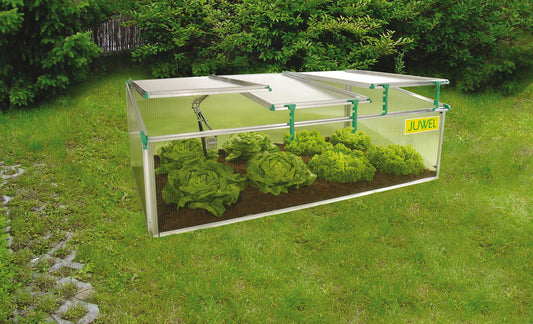
Polycarbonate cold frames are ideal for lettuce, spinach, kale, arugula, radishes, and other cool-season crops. They're also great for starting seeds, rooting cuttings, forcing bulbs, and overwintering herbs or perennials.
How do I keep plants warm on very cold nights in a polycarbonate cold frame?
Place large dark-colored containers filled with water inside your cold frame, they absorb heat during the day and radiate it overnight. You can also drape insulating fabric or straw mats over the lid on the coldest nights for extra protection.
How difficult is it to assemble a polycarbonate cold frame?
Most polycarbonate cold frame kits are designed for easy DIY assembly. The Exaco BioStar polycarbonate cold frame, for example, assembles in under an hour and can be broken down in about five minutes for off-season storage.
Will a cold frame protect my plants from pests?
Yes, a closed cold frame creates a physical barrier against birds, slugs, snails, and common garden pests, as well as curious pets.
Can I use a polycarbonate cold frame on a deck, patio, or rooftop?
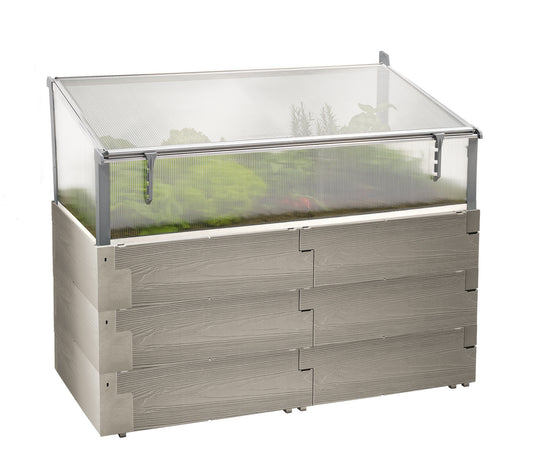
Absolutely. A polycarbonate cold frame works well in any outdoor space. On hard surfaces, simply use planting containers inside the frame. In garden beds, you can plant directly in the ground. Their lightweight polycarbonate construction makes them easy to move and reposition as needed.